The Language of Roses: What Every Colour Means
For centuries, roses have spoken a language all their own. A single stem can say what words struggle to capture — but only if you choose the right colour.
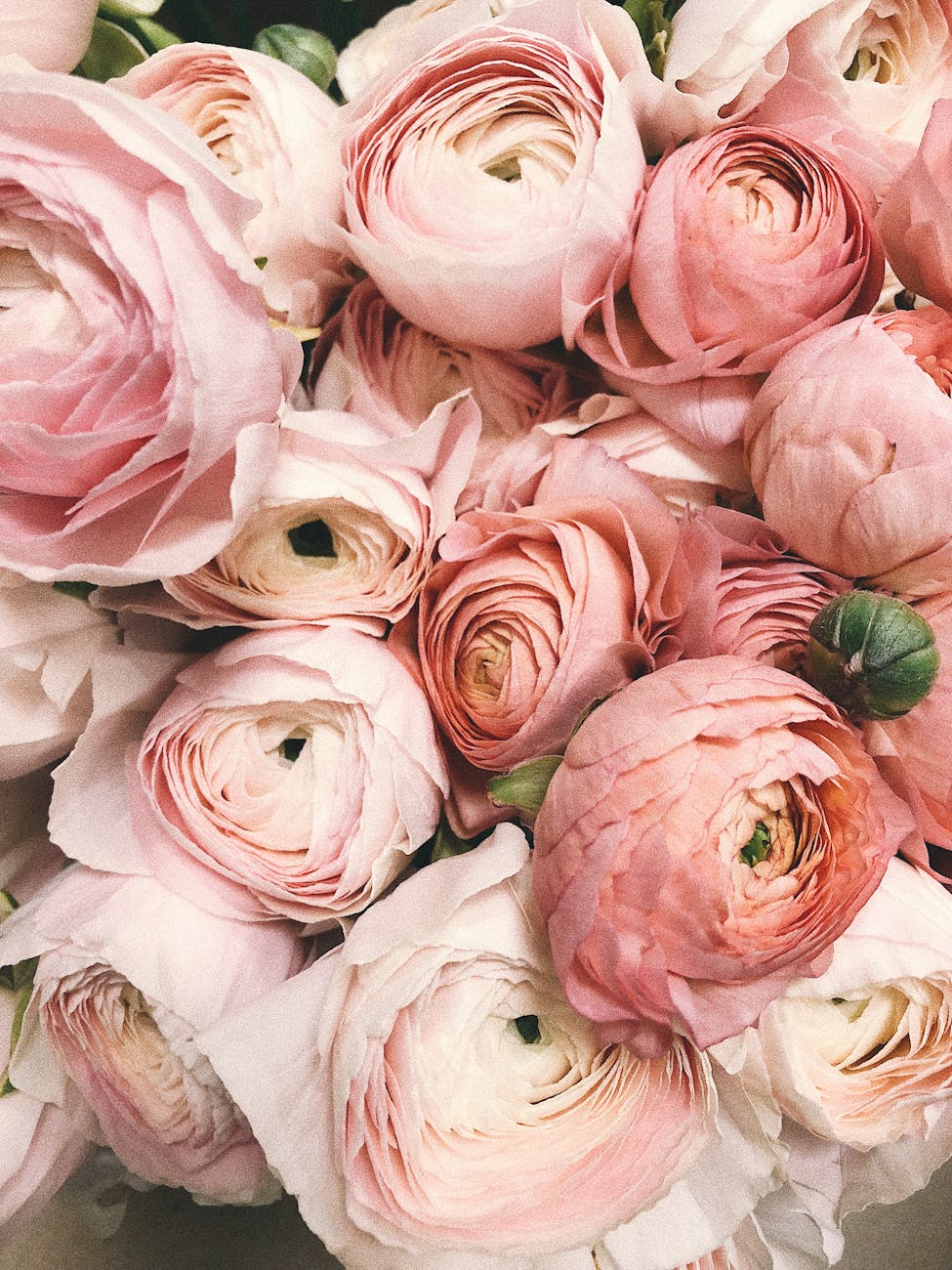
The Victorian era gave us floriography — the language of flowers — and no bloom was studied more carefully than the rose. In parlour rooms and private gardens, the colour of a rose carried a specific message, passed between admirers who could not speak their feelings openly. That tradition hasn't entirely disappeared. Even today, when we reach for flowers to mark a significant moment, we intuitively understand that a red rose means something very different from a white one.
“A red rose is never just a flower. It is a declaration, a vulnerability, an offering of the heart made visible.”
Red: The original declaration
Red roses are the most universally recognised symbol of romantic love in the world. Their message is unambiguous: passion, desire, deep devotion. Twelve red roses remains one of the most powerful romantic gestures you can make — but even a single stem carries that weight. If you're sending red roses, you're saying something significant. Make sure you mean it.
Pink: The language of tenderness
Pink roses occupy a beautiful middle ground — romantic without the intensity of red, warm without the formality of white. Light pink speaks to admiration and gentleness, deeper pink to gratitude and appreciation. They are the ideal birthday flower, the perfect thank-you, and a lovely way to say 'I care about you' without the pressure of a red rose declaration. Pink roses are perhaps the most versatile of all.
White: Purity, reverence, new beginnings
White roses hold multiple, sometimes contradictory meanings depending on context. At a wedding, they speak of purity and new beginnings. At a funeral, they offer reverence and remembrance. Sent to a friend recovering from illness, they convey sincerity and quiet support. White roses ask nothing in return — they are a selfless flower, given to honour rather than impress.
Yellow: Friendship and joy
Yellow roses were once associated with jealousy in Victorian floriography — a meaning that has almost entirely faded. Today, a bunch of yellow roses says something far more joyful: warmth, friendship, and celebration. They are the perfect birthday flower for a close friend, a congratulations bouquet that avoids romantic connotation, and one of the few roses that works equally well for men and women.
Orange: Enthusiasm and fascination
If red is certainty, orange is the thrilling moment before certainty — fascination, desire, the beginning of something. Orange roses are ideal for a new romance or for expressing an enthusiastic, joyful love. They have an energy that red roses lack: less solemn, more alive.
Choosing the right rose for your occasion
- Red: romantic love, anniversaries, Valentine's Day
- Pink: birthdays, thank-yous, gentle romance, Mother's Day
- White: weddings, sympathy, new beginnings, sincere admiration
- Yellow: friendship, congratulations, celebrations between friends
- Orange: new romance, enthusiasm, exciting occasions
- Blush/cream: elegance, quiet love, refined occasions
What makes roses so enduring is that they hold both the specific and the universal. A dozen red roses carries meaning in Tokyo, in Lagos, in London, in Buenos Aires. No other flower has achieved that kind of reach. And yet, within that universal recognition, there is still room for personal meaning — the particular shade of pink that was her favourite, the yellow roses he always brought home on a Friday.
“The most thoughtful bouquet is not the most expensive one. It is the one chosen with knowledge — the right colour, the right moment, the right message.”
The next time you order roses, pause before defaulting to red. Consider what you actually want to say. The colour you choose is part of the gift — it shows that you thought about it, that you understood the language. And in a world where we so rarely say the right thing at the right time, that matters.
Continue reading
How to Choose Flowers for Every Personality
The best bouquet isn't always the most beautiful one — it's the one that feels like it was chosen for that specific person. Here's how to get it right.
Read more →
Spring Flowers: Britain's Most Beautiful Seasonal Blooms
From the first narcissi of February to the blowsy peonies of June, spring in Britain is a procession of extraordinary flowers. Here's what to look for — and when.
Read more →