Flowers Around the World: What Each Culture Sends and Why
A white flower means purity in the West and mourning in parts of Asia. A red envelope is good luck in China; a red rose is a declaration in Britain. Flowers speak many languages.
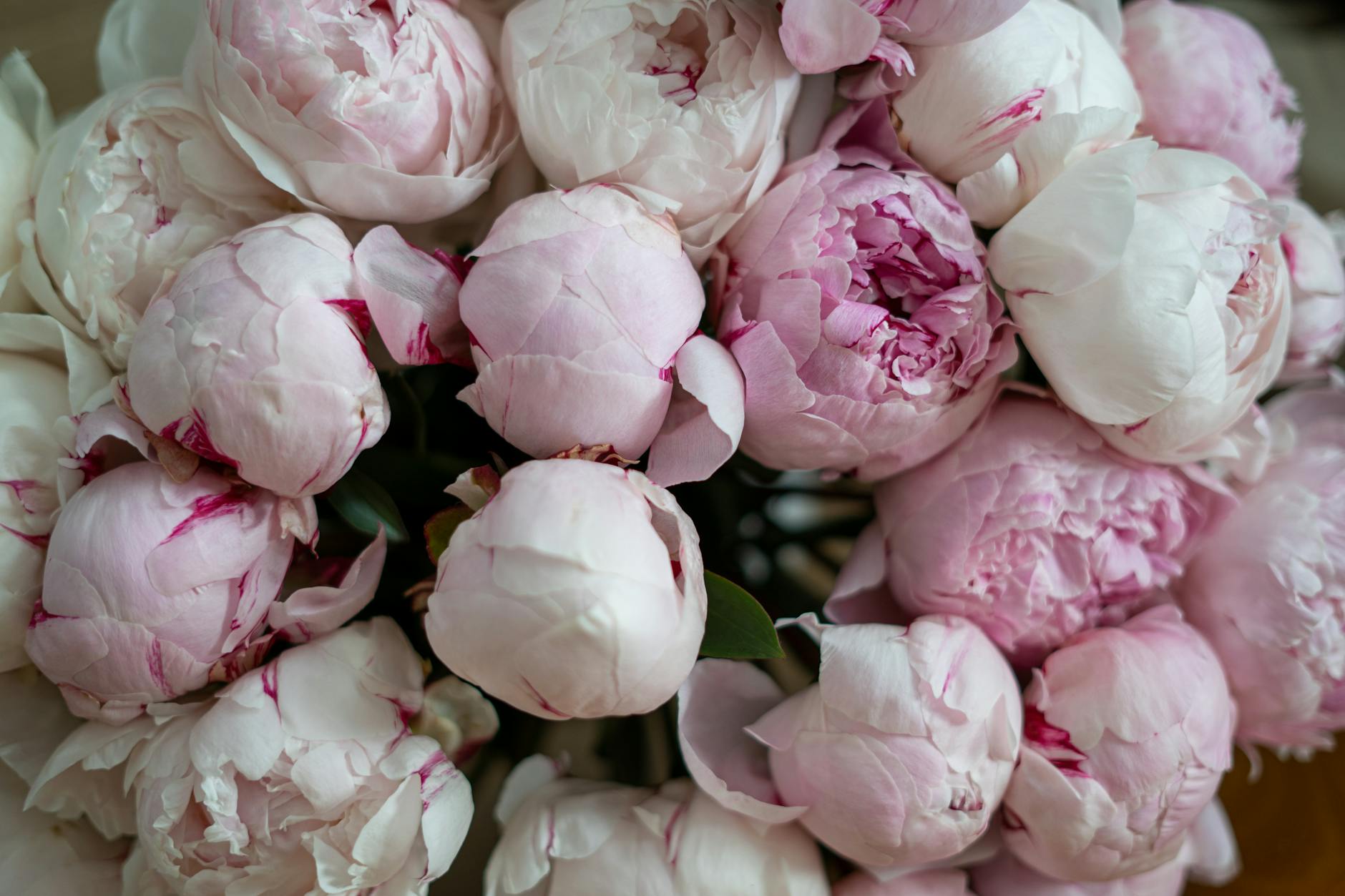
The impulse to give flowers is close to universal — found across cultures, centuries, and circumstances. But which flowers you give, how many, and in what colour can mean very different things depending on where in the world you are. Understanding floral customs across cultures makes you a more thoughtful giver — and helps you avoid well-intentioned mistakes.
United Kingdom & Western Europe
In Britain and much of Western Europe, flower-giving is associated with romance, celebration, and sympathy. Red roses signal love, white flowers mark significant transitions (weddings, funerals), and yellow flowers carry joy. Odd numbers of stems are generally preferred — even numbers, in some European traditions, are reserved for funerals. Chrysanthemums, widely loved in the UK, are associated with death in parts of France, Italy, and Spain — worth knowing if you're sending internationally.
Japan
Japan has a rich floral tradition rooted in ikebana — the art of flower arrangement — which prizes negative space, balance, and the beauty of individual stems over abundance. Cherry blossoms (sakura) are culturally sacred, representing the transience of life and the arrival of spring. Chrysanthemums are the imperial flower and deeply revered. White flowers are associated with mourning — avoid them for celebratory gifts. Giving flowers in sets of four is taboo (four is associated with death in Japanese culture). Lotus flowers, though sacred in Buddhist contexts, are generally not given as gifts.
China
The peony is China's national flower — the 'king of flowers' — and carries associations of wealth, honour, and good fortune. Red flowers, particularly red roses, are symbols of good luck and prosperity (red is the colour of celebration). Yellow chrysanthemums are associated with death and are inappropriate as gifts. Giving flowers in even numbers is preferred for happy occasions. Avoid clock gifting (the word for clock sounds like 'attend a funeral') — but this applies to objects, not flowers.
India
Flowers in India carry enormous spiritual and cultural significance. Marigolds are ubiquitous at festivals, weddings, and religious ceremonies — their bright orange and yellow are considered auspicious. Jasmine, with its intense fragrance, is sacred to the goddess Lakshmi and woven into garlands for celebrations and devotion. Lotus flowers are deeply sacred in Hindu and Buddhist traditions. In many parts of India, white flowers are associated with funerals and should be avoided for celebratory gifts.
Mexico & Latin America
Marigolds (cempasúchil) are the flower of the dead in Mexican tradition — used to decorate altars during Día de los Muertos and considered to guide spirits home. In this context, marigolds are deeply honoured rather than mournful. For living celebrations — birthdays, weddings, romantic occasions — bright, abundant bouquets in warm colours are appropriate, with roses and birds of paradise particularly valued.
Russia & Eastern Europe
In Russia and much of Eastern Europe, an even number of flowers is reserved for funerals. Always give an odd number for any celebratory occasion — this is taken seriously. Yellow flowers are associated with bad luck or separation in Russian culture, so it's better to avoid them for romantic gifts. Carnations, sometimes avoided in the UK, are among the most popular celebratory flowers in Eastern Europe and Russia.
Sending flowers internationally: a quick guide
- Japan & China: avoid white flowers for celebration; avoid even numbers (Japan) or even numbers for mourning occasions (China)
- India: marigolds and jasmine for celebration; avoid white for happy occasions
- Russia/Eastern Europe: always odd numbers; avoid yellow for romance
- France & Southern Europe: check that chrysanthemums aren't in the arrangement
- If in doubt, roses are widely understood and rarely misread across cultures
Flowers speak universally, but they speak different dialects. The most thoughtful gift is one sent with awareness — not just of what you're giving, but of what it means to the person who receives it.
Continue reading
The Language of Roses: What Every Colour Means
For centuries, roses have spoken a language all their own. A single stem can say what words struggle to capture — but only if you choose the right colour.
Read more →The Secret Language of Flowers: Your Bouquet Decoder
Every flower has something to say. Before you send a bouquet, discover what each stem silently communicates — and how to compose a message in petals.
Read more →